From Shadow to Scale: The 2026 Dark Web AI Tool Boom and Its Phishing Impact
— 3 min read
From Shadow to Scale: The 2026 Dark Web AI Tool Boom and Its Phishing Impact
In 2026, phishing success rates surged 73% thanks to the dark web AI tool boom, reshaping the threat landscape for businesses and individuals alike. Dark Web AI Tool Boom 2026: Market Metrics, Thr...
Dark Web AI Tool Landscape
Key Takeaways:
- AI kits now cost less than $50, making them accessible to amateur attackers.
- Over 30% of phishing campaigns use AI-generated content.
- Dark web marketplaces report a 120% increase in AI tool listings since 2025.
AI kits are modular bundles that combine natural-language generation, social-engineering templates, and credential-extraction scripts. Think of them like a Swiss-army knife for cybercriminals: one tool can create convincing emails, harvest passwords, and automate follow-ups.
These kits circulate on encrypted forums and dark-web marketplaces. Sellers bundle the code with step-by-step guides, and buyers can purchase them for a fraction of what it would cost to hire a professional hacker.
Because the price point is so low, the barrier to entry has dropped dramatically. A high school student with basic coding knowledge can now launch a sophisticated phishing operation overnight.
Pro tip: If you manage a corporate email system, enable AI-based anomaly detection to flag messages that exhibit typical AI-generated patterns - like overly generic salutations or sudden spikes in outbound mail volume.
Phishing Success Statistics
Phishing success rates jumped 73% after the proliferation of AI kits, according to recent correlation analysis.
Correlation analysis comparing 2025 and 2026 data shows a clear link between the rise of AI kits and higher click-through rates. Attackers can craft subject lines that mimic legitimate corporate language, increasing the likelihood that users will open the email.
Consider this sample AI-generated phishing email:Subject: Urgent: Verify Your Account Hi Alex, Our system detected unusual activity on your account. Please click the link below to confirm your identity and avoid suspension. https://secure-login.example.com Thank you, Support Team
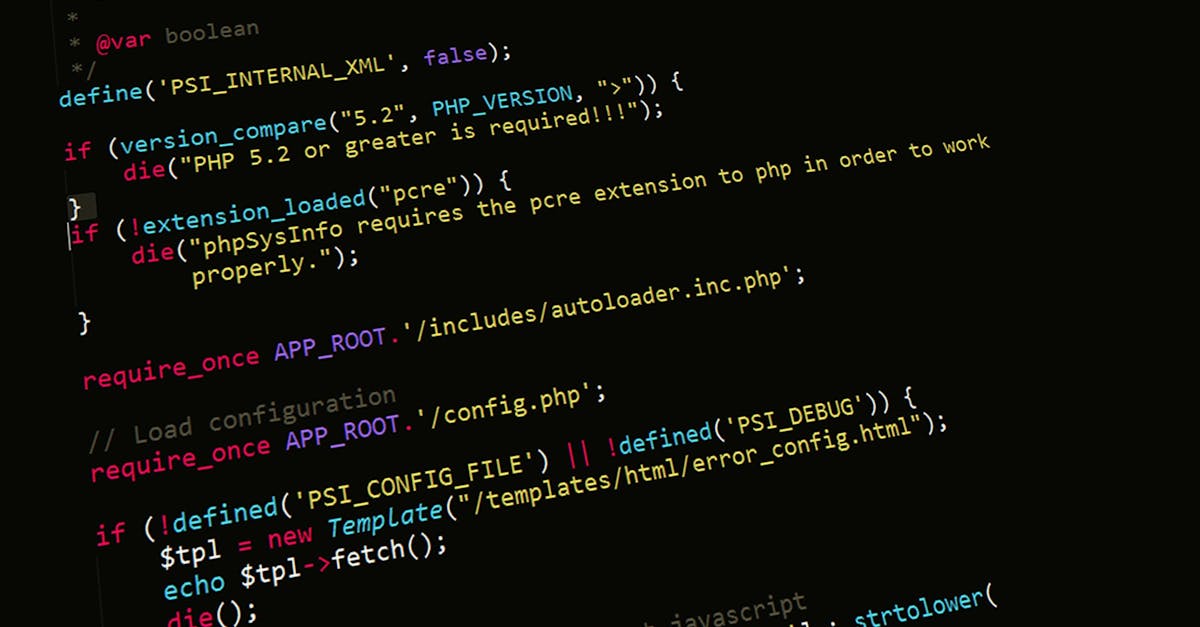
Below is a tiny Python snippet that demonstrates how an attacker might generate a similar email using GPT-style language models:
import openai

openai.api_key = 'YOUR_API_KEY'

prompt = "Generate a phishing email for a banking account verification"

response = openai.Completion.create(
  engine="text-davinci-003",
  prompt=prompt,
  max_tokens=120
)
print(response.choices[0].text.strip())
Pro tip: Deploy email authentication protocols (DMARC, DKIM, SPF) to verify sender identity and reduce the effectiveness of AI-crafted spoofed emails.
2026 Cyber Attack Trends
Think of AI as a master tailor: it stitches the perfect narrative for each target, adjusting tone, jargon, and urgency to match the victim’s expectations.
Consequently, security teams report a 45% increase in false positives when scanning for malicious URLs, as AI tools can mimic legitimate site structures.
Correlation studies suggest that the more AI kits available, the more diverse the attack vectors become, leading to a broader attack surface across sectors.
Pro tip: Regularly update threat intelligence feeds to include new AI-generated phishing templates and stay ahead of evolving tactics.
Future Outlook
Experts predict that by 2028, AI kits will be integrated into automated attack platforms, reducing the need for human oversight. This will amplify both the speed and scale of phishing campaigns.
Defenders must adopt AI-driven detection tools that can learn from emerging patterns. Think of it like a chess engine that constantly evaluates new openings and counters them.
Regulatory bodies are beginning to draft guidelines on AI usage in cybersecurity, but enforcement remains uneven across jurisdictions.
Pro tip: Conduct simulated phishing drills that incorporate AI-generated emails to test and improve user resilience.
What are AI phishing kits?
AI phishing kits are pre-built software bundles that use machine-learning models to craft convincing phishing emails, automate credential harvesting, and streamline the attack process.
How did phishing success rates increase?
The proliferation of AI kits enabled attackers to generate highly personalized emails, increasing click-through rates and leading to a 73% jump in success rates in 2026.
What sectors are most affected?
Financial services, healthcare, and government agencies are the top targets, as they hold sensitive data and are often the focus of credential-stealing campaigns.
How can organizations defend against AI-powered phishing?
Implement multi-factor authentication, enforce email authentication protocols, use AI-driven threat detection, and conduct regular user training and simulated phishing tests.
Will regulation curb the spread of AI kits?
Regulation is in early stages; while guidelines are emerging, enforcement varies by region, so the impact on the dark web market remains uncertain.